

Read my other annual letters here.
At the end of every year, I open up my photo library, pick a few interesting photos and movies from each month, and write something about them. Rather than clogging up your social media feed every day, you only have to hear about what I’ve been doing once a year.
January
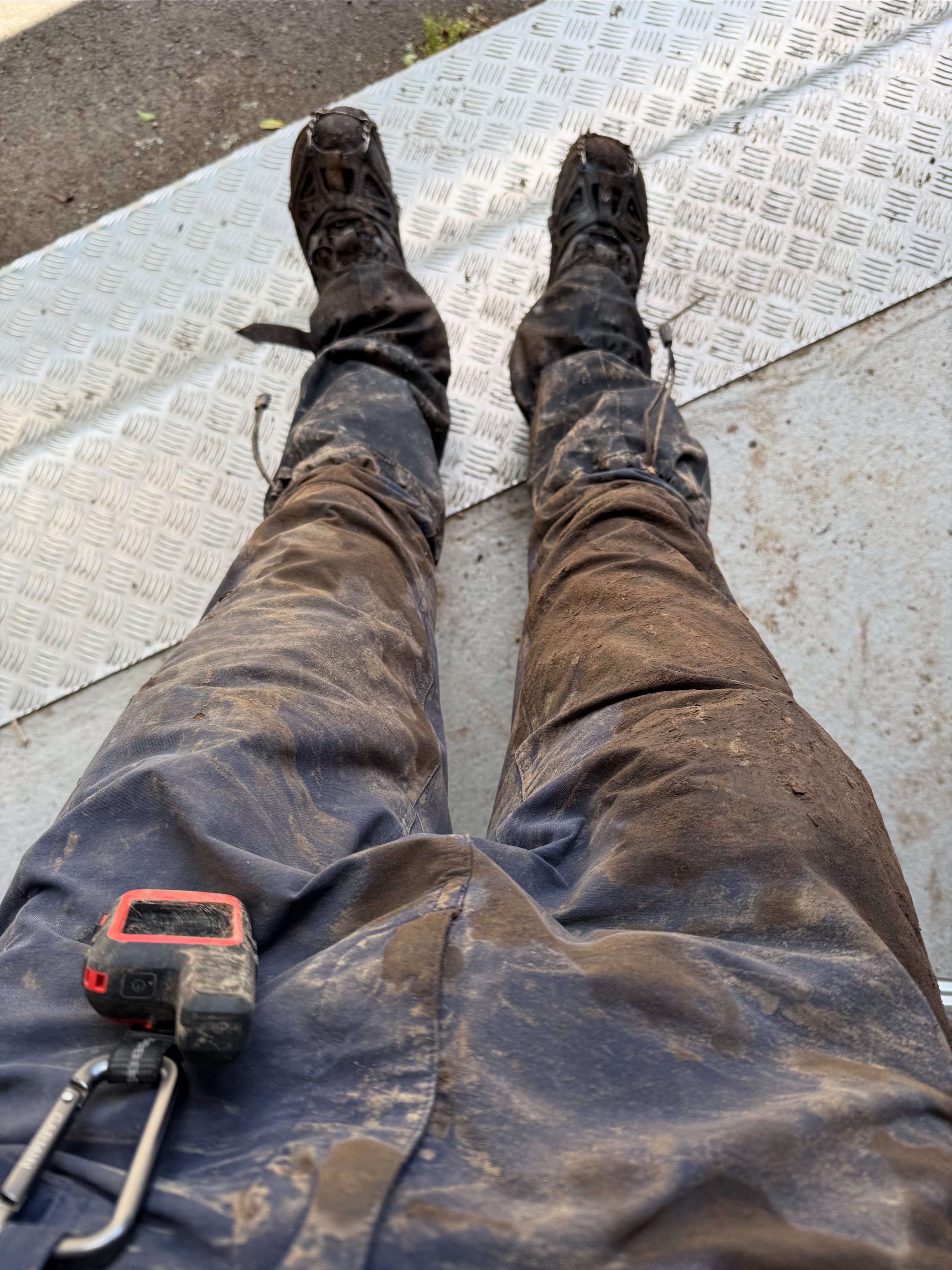
I doubled down on my habitat restoration work in Coolidge Reserve, which also doubled my laundry workload. I’ve been spending time in the stream at the bottom of the gully, which is deep, narrow, and muddy. So far, I’ve avoided any Romancing the Stone moments.
From above, the reserve looks pretty amazing. A neighbourhood group has done an amazing job over the last 20 years, transforming a barren rubbish tip into a beautiful forest with thousands of hours of hard volunteer work. They’ve done 90% of the hard work and I’ve swooped in to do some drainage work and weed removal to unlock some lost potential.


February
The cicadas arrived this month. Although they are annual visitors and don’t reach plague numbers, I was impressed with how loud their songs were. I attempted to capture it on video, but the kākā insisted the video be all about them instead.
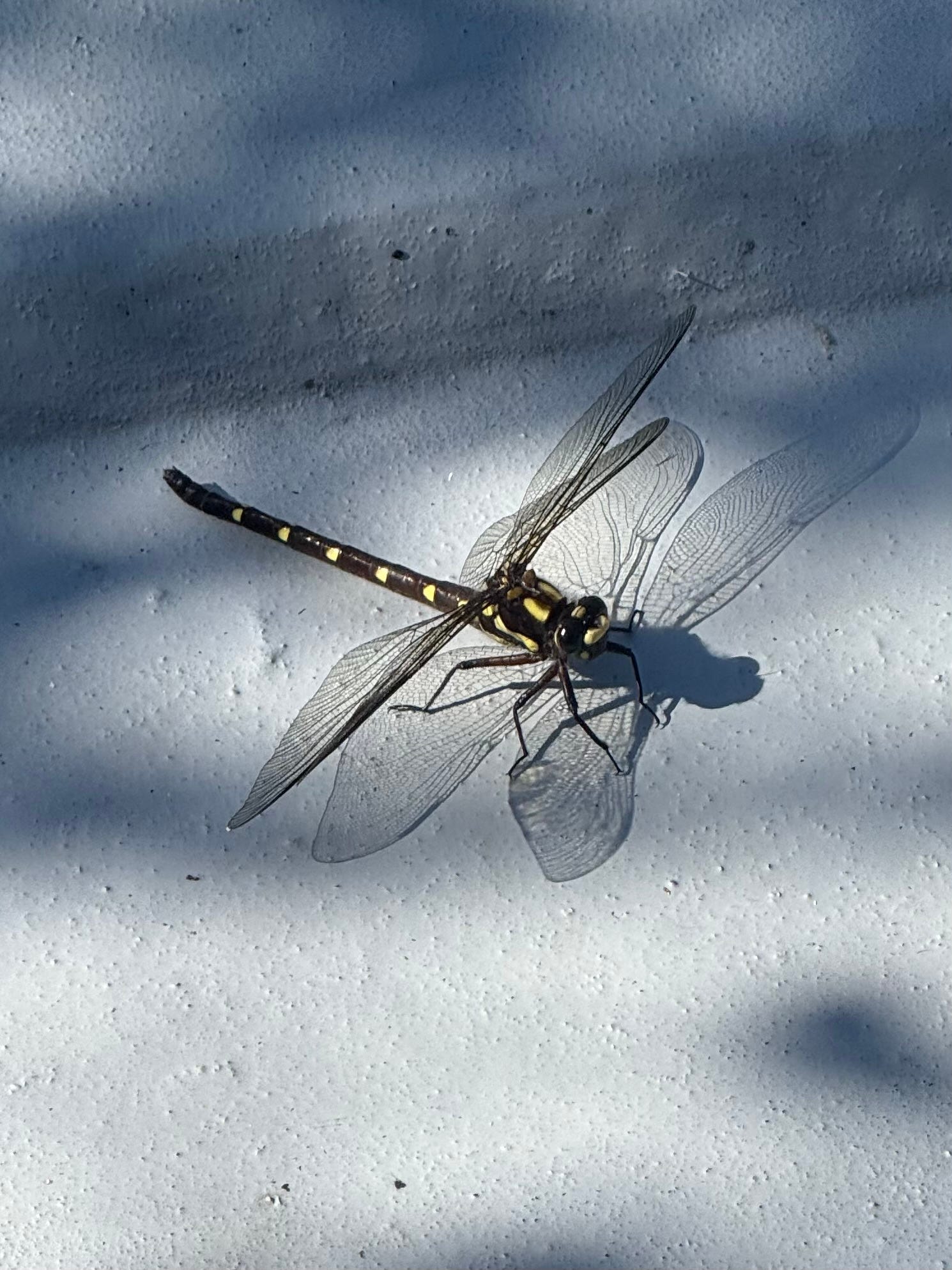
One day, I heard what sounded like a tiny helicopter coming from my patio and discovered this big fella. Kapokapowai | Carové’s Giant Dragonfly is the largest in New Zealand and one of the biggest in the world, with a 130 mm (5.1 in) wingspan.
March
In mid-March, I flew back to Portland for six weeks to visit the birds (and Eric!). I had been away for 9 months, which was a few months longer than my original plan.
The birds were happy to see me and my hat.
We went on a hike up the Salmon River—the birds stayed at home—and it turned out to be one of the most beautiful hikes we’ve ever done. An incredibly lush forest with lots of old-growth trees.


April
We did a weekend trip to the Oregon coast, staying in Newport, a quiet little town that had some remarkably good restaurants. We did some hikes on the way there and back and visited the Oregon Coast Aquarium.


Then, we finally got around to hiking the Eagle Creek trail, which was closed by fire for several years right around the time we moved to Portland.


May
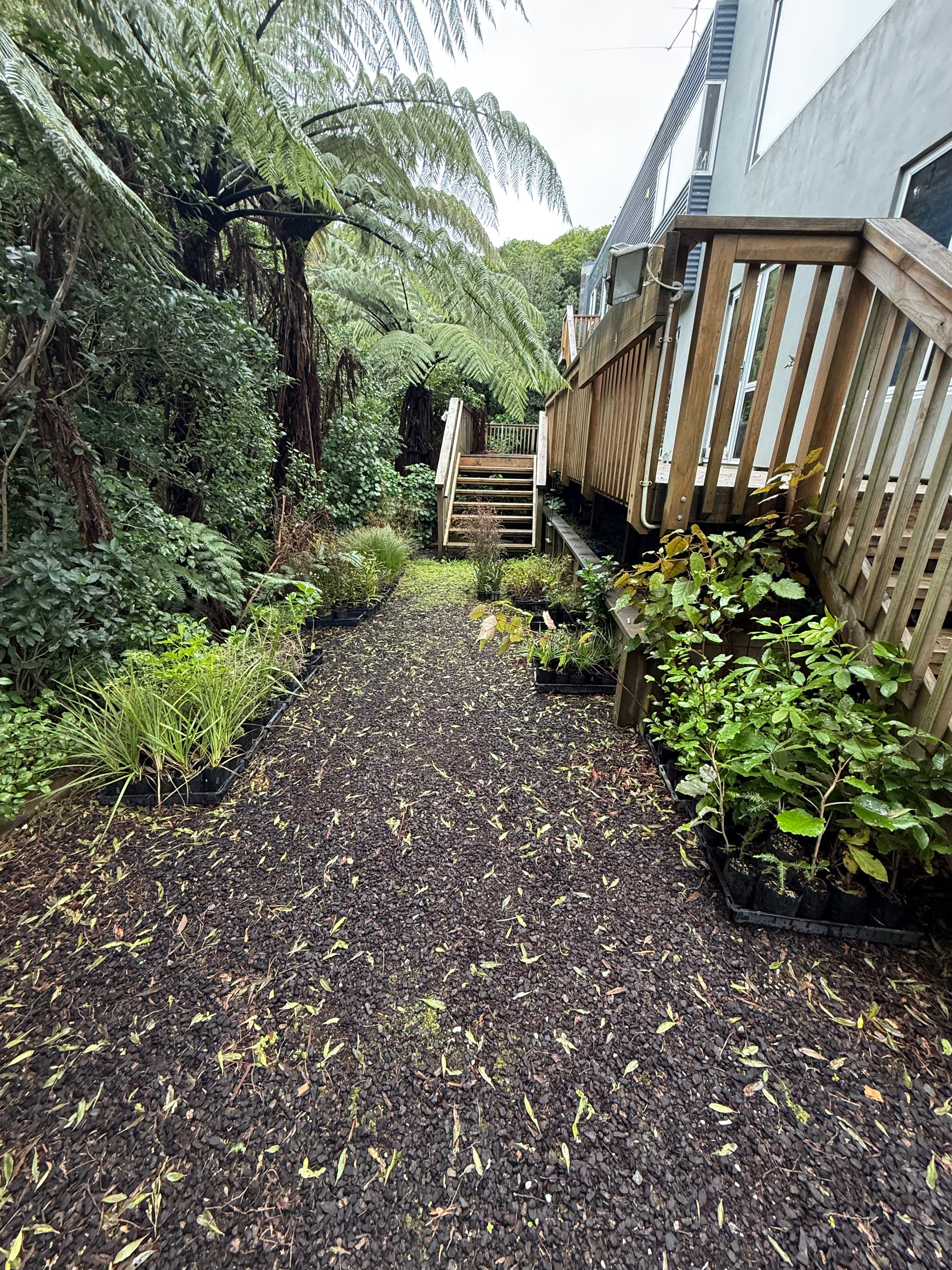
Returned to Wellington with a number of projects waiting for me. I had ordered about 250 plants from two local sources that provide free plants for conservation projects on public land. The area behind my house became a temporary plant nursery.
After clearing invasive plants on the south side of Coolidge Reserve over the past year, I (literally) uncovered the extent of issues with our storm drain system. It’s a vicious cycle in which poor drainage, invasive weeds, stunted forest growth, and erosion all lead to a downward spiral. Despite zero interest in managing drainage projects, I decided the cycle needed to be broken. I spent several months consulting with engineers, drain layers, and many of the neighbours who own the 20 properties that feed into this private system.
In the meantime, I did some planting in areas of previous land slips as a stopgap measure.


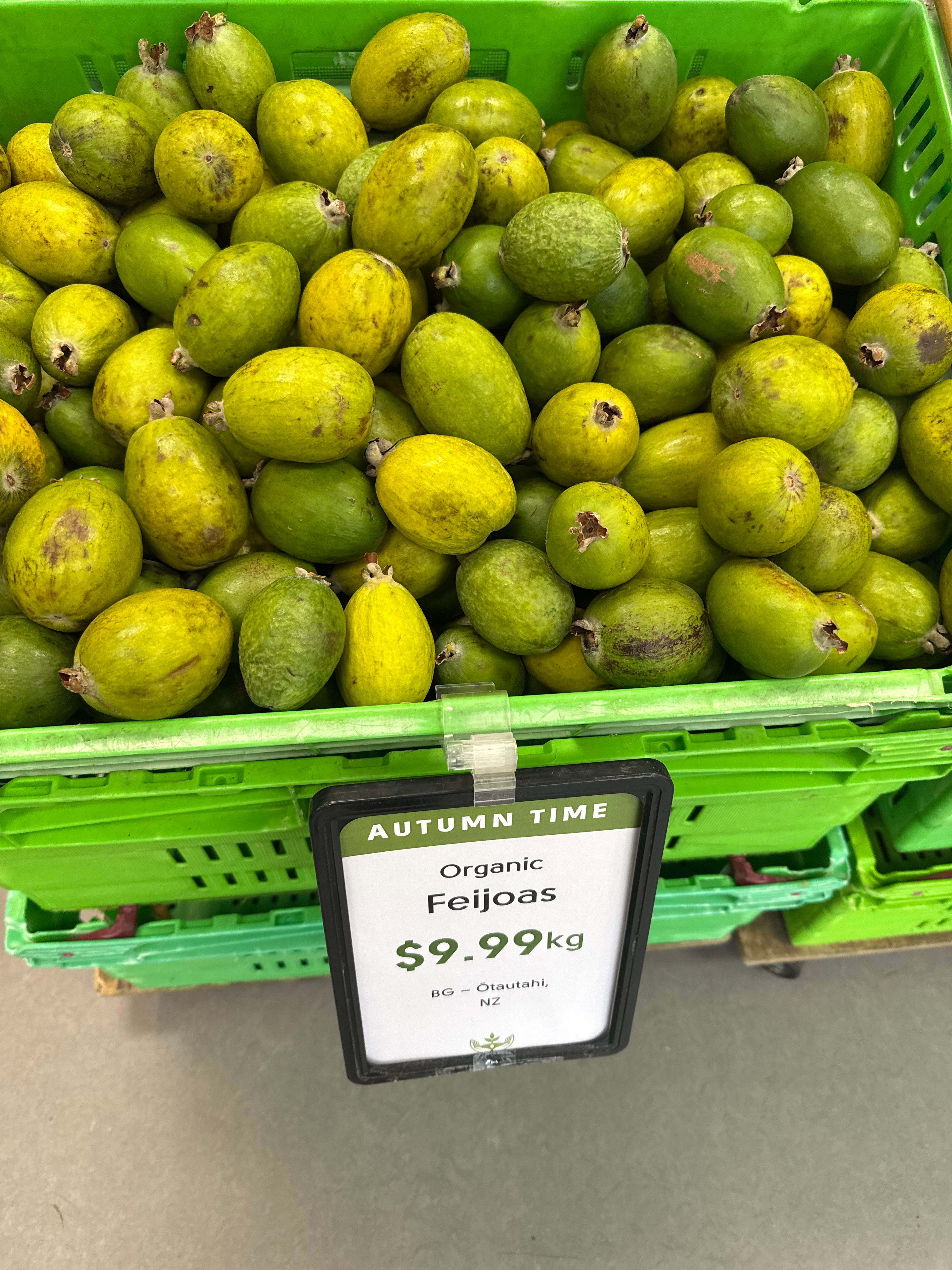
Autumn is the very short feijoa season, and I thought I missed most of it by being in Portland, but I was happy to learn that there is a second crop that appears in May!
June
Eric sent me some photos of our garden in Portland. It’s been four years since we ripped out the lawn and planted a native garden. It’s really exceeded our wildest expectations. I’ve been trying to get pictures yearly to track the progress, but I wasn’t there this time around.


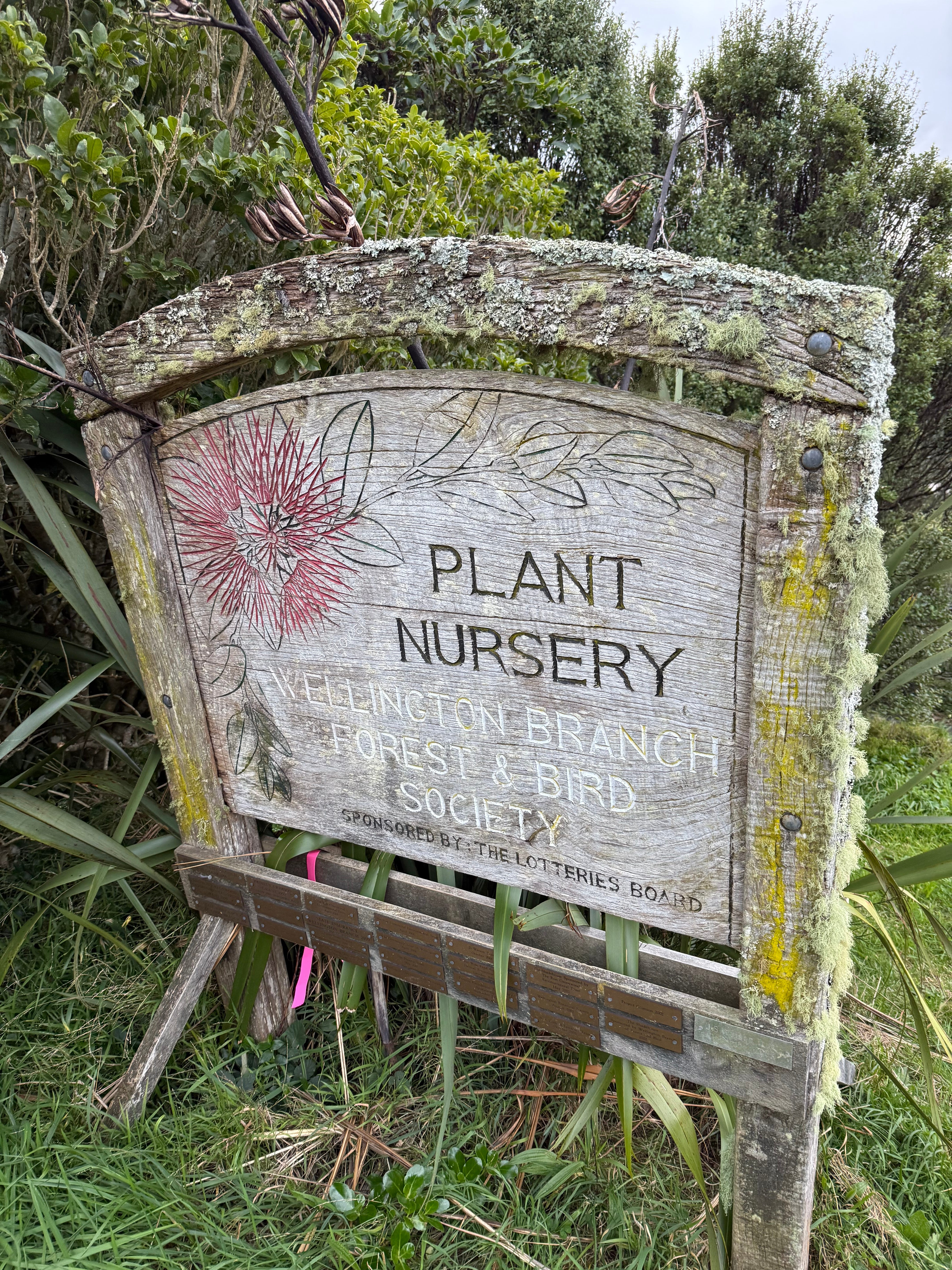
One of my regular volunteer gigs is at the Forest & Bird Nursery in Wellington. It’s been a great education in native plants, especially recognising plants at the seedling stage. Plus, I love their lichen-encrusted sign.
If you’re wondering where I get all my energy, it mostly comes from my magic mix of nuts, dried fruit, grains, and seeds. Given its similarity to the food mix I make for my flock of birds, I used to call it “macaw mix”, but I’ve since renamed it to kākā mix to honour the local parrot.


July
Fall is peak fungus season! We’ve had a wetter-than-usual winter up to this point, so it was a bumper crop.


One of the benefits of living in a small place is that everyone knows everyone, especially in the conservation community. The photo of me below got featured in a newsletter, and I’ve been stopped on the street a few times with people recognising me from this photo (when I’m wearing my hat, anyway).

August
I started making my own yoghurt earlier in the year and wrote up a long-winded article about my experiences. Or you might consider it “comprehensive”.


Eric visited for four weeks in August/September, working remotely for Apple for this trip. At the end of his workday, we usually go for a walk. This short hike up to Omaroro Reservoir is a favourite hike and a bird hotspot.


September
Speaking of Eric, he recently got approved by Apple to work remotely from New Zealand full-time. We recently passed our 20-year anniversary, but the past few years, we’ve only seen each other for a few months a year, which has been difficult.
We managed to rent out our house in Portland to our regular bird care person, a stroke of luck that kept us from the difficult task of rehoming our nine parrots. I made a quick visit for about ten days. From dawn to dusk, we slogged through one room at a time and sorted everything into donate, sell, and keep piles, with the latter being the smallest by far (thankfully).
Back in Wellington, I joined a group doing monitoring of Pohowera | Banded dotterels. It’s sort of a needle-in-the-haystack exercise, but it’s been a great experience to become experienced with bird spotting, something I’ve never been particularly good at. I’m part of a group that does weekly counts, nest monitoring, and banding.


I unexpectedly got involved in a political campaign, working for Alex Baker, one of nine candidates for Mayor of Wellington. I’d dabbled a bit working for campaigns over the years, but usually I end up not fitting in, or the candidate gradually becomes a sellout. But Alex was someone of great integrity and attracted some really wonderful people who were a joy to spend time with.


October
Behind our rented house in Wellington is a council reserve with 100-year-old radiata pine trees that are mostly nearing the end of their life. Whenever there is a big storm, a few of them come crashing down spectacularly. It’s a fascinating story unfolding as these old trees retire and an understory of natives gradually takes over.


My big neighbourhood drainage project, which has been many months in the making, finally got moving. These are not quite as fun as bird photos, but this work will have the side benefit of helping our wonderful birdlife flourish even more.


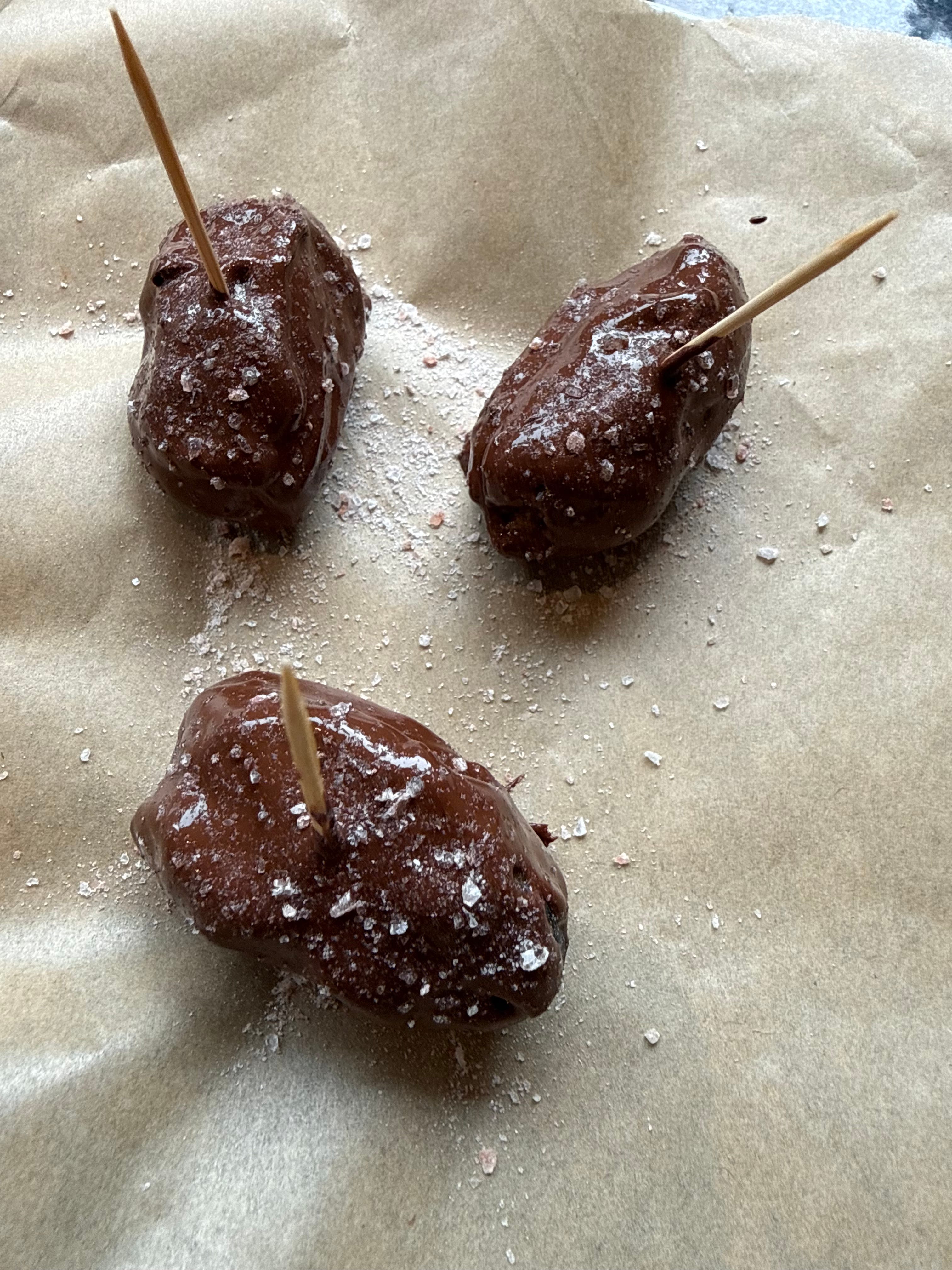
I don’t eat desserts much, but I half-invented this one, and I’m pretty proud of it. Dates stuffed with pistachio butter, covered in 100% chocolate and sea salt.
November
After heroically managing the move-out from our house in Portland, Eric arrived in Wellington for good this time. He’s working Tuesday through Saturday to match up with Apple hours in Portland/Cupertino, so that leaves us with Sunday and Monday as our weekend. We did some long hikes around Wellington to prepare for a three-day planned hike at the end of November.


Then we embarked on our trip down to Fiordland. After tolerating a couple of days in Queenstown, we did the three-day Routeburn Track.


For the remainder of our trip, we rented a car and did some day hikes and drives around Te Anau and Milford Sound.


December
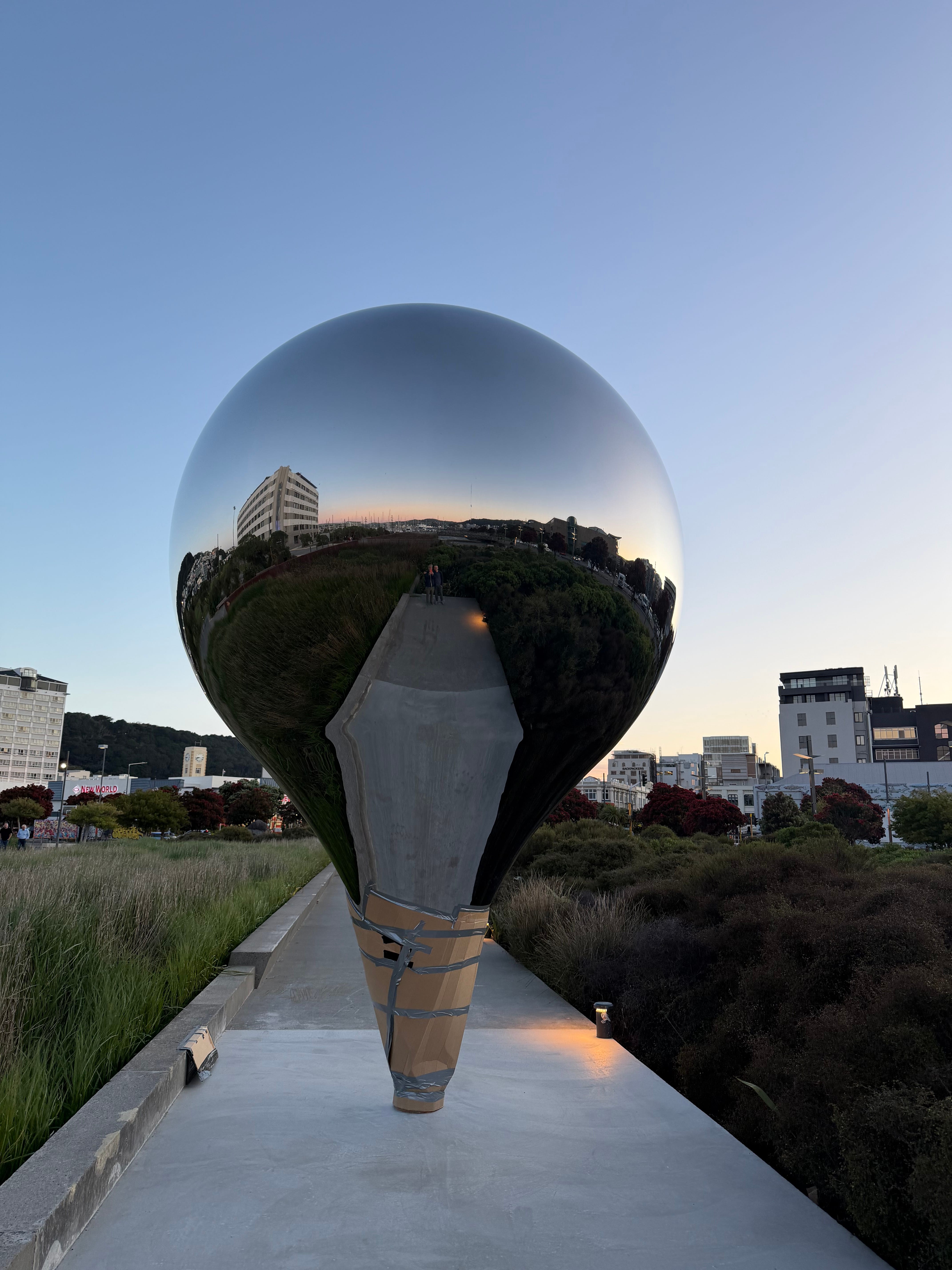
We visited this fun new sculpture in Waitangi Park in Wellington. It’s really trippy.
I’ll finish the year by sharing some bird videos from Zealandia, where I’ve worked on a couple of their conservation teams for the past couple of years. It’s quite a privilege to contribute to a place we first visited over 15 years ago that is doing so much good for native birds.
First, some sunbathing Toutouwai | North Island robin, extinct in Wellington until their reintroduction in 2002. They are only just starting to live and breed on the fringes of Zealandia, but the future is hopeful with the efforts of Predator Free Wellington.
And a Hihi | Stichbird feeding on a flax plant. Even in Zealandia, I don’t often see them, so it was quite special. This bird struggles even in the sanctuary due to a lack of native vegetation and gets supplementary feeding. It may take many decades before it might be able to survive outside of the sanctuary.
Instead of keeping captive birds as I have for most of my life, working with wild birds is what gets me out of bed every day. Thanks for making it to the end of my letter. Drop me a line if it’s been too long. Happy New Year!
Read my other annual letters here.
Thanks for the magical dose of awe and wonder!
Love the Stitchbird video at the end! And the Kākā were cool to see hijacking the cicada chorus 🤣!
Bonus = now I know you have a love of energising food and my kinda dessert skills you can expect a dinner invite for sure!
Yay for Eric now living in NZ! By far the biggest win of the year.
Thanks for loving nature so much! Can't wait to see what makes the 2026 letter!
xx
Awesome and positive, and I hope y’all are well. I should visit. ;-)